
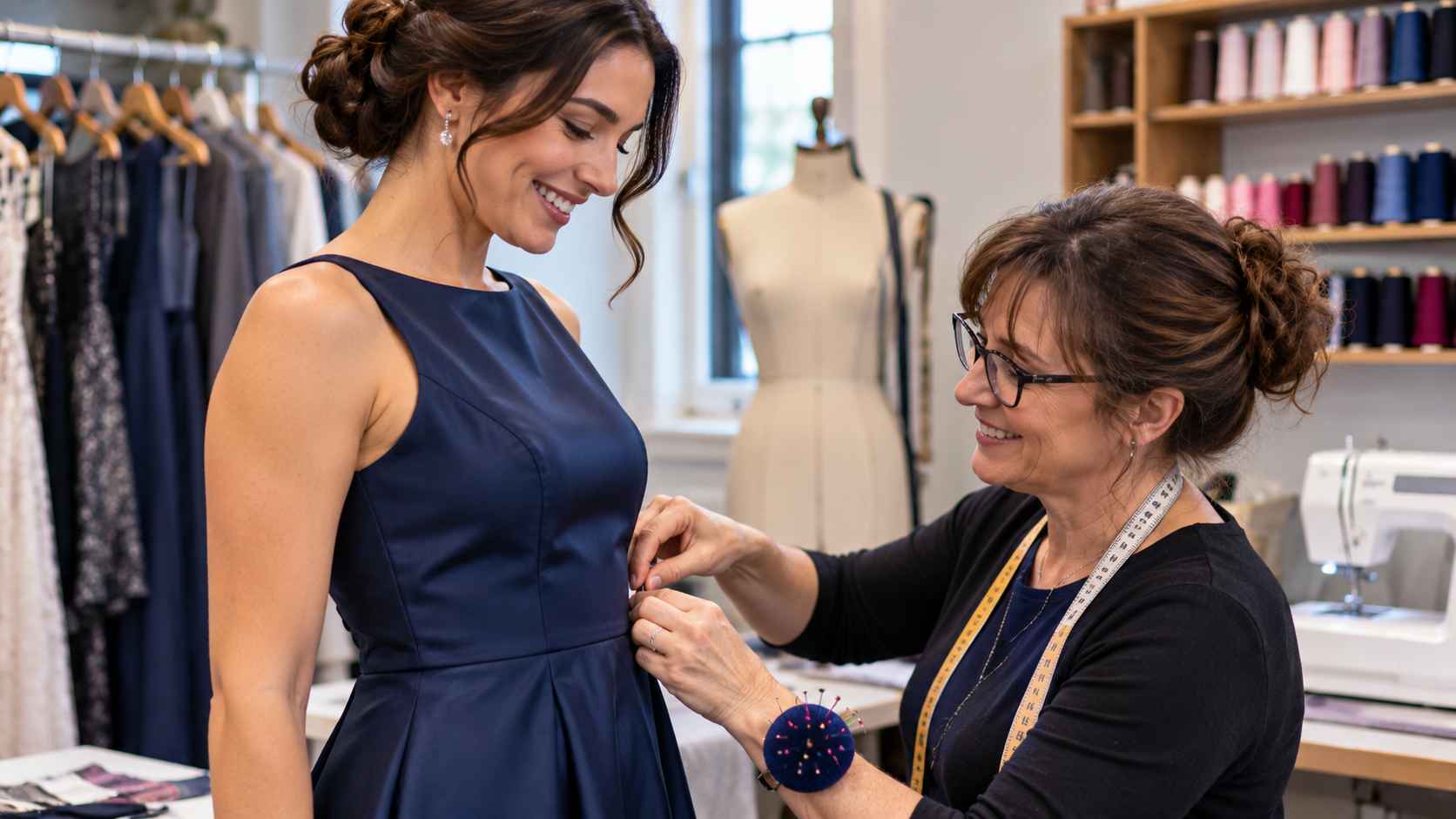
A favourite pair of trousers that is slightly too long, a jacket that feels tight around the shoulders, or a dress that doesn’t sit quite right can make an otherwise good outfit uncomfortable to wear. These are common clothing problems, and they don’t always mean the garment needs to be replaced.
Professional clothing alterations can help improve the fit, comfort, and appearance of clothing you already own. Whether you’re preparing for a special event, adjusting a recent purchase, or repairing a well-loved item, an experienced seamstress can help determine which changes are practical.
Understanding how alterations work and what to look for in a clothing professional can make the process easier.
Why Proper Clothing Fit Matters
Clothing fit affects more than appearance. It also influences how comfortably you move throughout the day.
Trousers that are too long may drag along the ground, while sleeves that extend beyond the wrists can interfere with everyday activities. A waistline that is too loose may require constant adjustment, and a tight jacket can restrict movement.
Even clothing purchased in the correct size may not fit perfectly because standard sizing cannot account for every body shape and proportion.
Professional alterations allow certain parts of a garment to be adjusted without changing its overall style.
For example, a pair of trousers may fit comfortably around the hips but require a shorter hem. A dress may fit through the shoulders but need a small waist adjustment.
Rather than searching for another size that may create different fitting problems, alterations can address the specific areas that need attention.
Common Clothing Alterations Worth Considering
Different garments require different adjustments. Some alterations are relatively straightforward, while others involve more complicated construction.
Adjusting Hems and Garment Lengths
Hemming is one of the most common clothing alterations.
Trousers, jeans, skirts, and dresses may need to be shortened to achieve a more comfortable or practical length.
The appropriate hem depends on the garment’s design and how it will be worn.
For example, formal trousers may require a different length than casual jeans. A long dress may need adjustment based on the shoes worn with it.
A seamstress can help determine a suitable length while considering the original design and fabric.
Altering Sleeves and Shoulders
Sleeve adjustments can improve how shirts, blouses, jackets, and coats sit on the body.
Sleeves that are too long may be shortened, although the process can become more involved when cuffs, buttons, or decorative details are present.
Shoulder alterations are often more complex because they can affect the garment’s overall construction.
Before purchasing clothing that requires major shoulder changes, it is worth asking whether the adjustment is practical.
Adjusting Waistlines and Side Seams
Waistline alterations are common for trousers, skirts, and fitted dresses.
A garment may fit well in one area but feel too loose or restrictive around the waist.
Depending on its construction, a seamstress may be able to adjust seams or other structural elements to improve the fit.
However, not every garment has enough extra fabric to be enlarged significantly. The original seam allowances and design determine what is possible.
Repairing Clothing Instead of Replacing It
Alterations are not limited to changing how clothing fits.
They can also involve repairing damage and extending the useful life of garments.
Common repairs include replacing broken zippers, repairing open seams, securing loose buttons, reinforcing worn areas, and mending small tears.
A damaged zipper does not necessarily mean an otherwise comfortable jacket must be discarded.
Similarly, a small tear along a seam may be repairable without noticeably changing the garment’s appearance.
Repairing clothing can be particularly worthwhile when an item is difficult to replace, has sentimental value, or remains in good condition apart from one damaged area.
The feasibility of a repair depends on the fabric, location of the damage, and extent of wear.
Alterations for Formalwear and Special Occasions
Formal clothing often requires greater attention to fit because it is designed for particular occasions and may include structured or delicate construction.
Wedding guest dresses, suits, bridesmaid dresses, graduation outfits, and other formal garments may benefit from professional adjustments.
A dress that fits comfortably when standing may feel restrictive when sitting. A suit jacket may look appropriate from the front but pull across the back when the wearer moves.
Trying on formalwear while walking, sitting, and moving naturally can help identify potential issues.
It is also helpful to bring the shoes and undergarments intended for the event, as these may influence how the clothing fits.
Formalwear alterations should be arranged well before the occasion whenever possible. Some garments require multiple fittings or additional work because of their fabric, lining, embellishments, or construction.
Leaving adjustments until the last moment may limit the available options.
Everyday Clothing Can Benefit From Small Adjustments
Professional alterations are not only for expensive or formal clothing.
Everyday items such as jeans, work trousers, school uniforms, shirts, and casual dresses can also benefit from minor changes.
For example, shortening the sleeves of a frequently worn work shirt may improve comfort during daily activities.
Adjusting the length of several pairs of trousers can make them more practical for regular use.
People who have difficulty finding ready-made clothing that fits comfortably may also appreciate targeted alterations.
The goal is not necessarily to achieve a perfectly tailored appearance. It is to make clothing more comfortable, functional, and suitable for the person wearing it.
How to Find a Seamstress in North Battleford
Finding the right clothing alteration professional starts with understanding what type of work your garment needs.
Some seamstresses regularly handle everyday repairs and basic adjustments, while others may have experience with formalwear, delicate fabrics, or more complicated alterations.
Residents looking for local clothing services can find a seamstress in North Battleford and explore professionals who may be suitable for their alteration or repair requirements.
Before arranging an appointment, explain the garment type, the changes you want, and any important deadlines.
Photographs may help describe the issue initially, but an in-person fitting may be necessary to assess how the garment sits on the body.
It is also worth asking whether the professional has experience working with similar fabrics or garment styles.
What to Consider Before Choosing a Seamstress
Choosing a seamstress involves more than finding someone who can operate a sewing machine.
Experience, communication, attention to detail, and scheduling all affect the alteration process.
Relevant experience: Different fabrics behave differently. Denim, silk, wool, stretchy materials, and lined garments may require different techniques. Ask whether the seamstress has handled similar work.
Clear communication: Explain what feels uncomfortable or looks out of place. Rather than simply saying a garment is too large, identify whether the problem is around the waist, chest, sleeves, or overall length.
Realistic turnaround time: Ask when the alterations can be completed, especially if the garment is needed for a wedding, interview, or other scheduled event.
Understanding the work involved: Request an explanation of the proposed changes and confirm whether they may affect decorative details or the original silhouette.
Cost expectations: Ask for an estimate before approving the work. More complicated alterations may involve additional labour, particularly when linings or structural elements must be removed and reconstructed.
Taking time to discuss these details helps both parties understand the expected result.
When Professional Alterations Are Better Than DIY
Small clothing adjustments can sometimes be completed at home, especially by someone with sewing experience and suitable equipment.
Replacing a simple button or repairing a minor seam may be manageable.
However, certain alterations are more difficult than they appear.
Shortening a lined jacket, adjusting a fitted dress, or modifying a garment with delicate fabric can involve several construction steps.
An incorrect cut or poorly positioned seam may be difficult to reverse.
Professional assistance is particularly worth considering when the garment is valuable, the fabric is delicate, the alteration affects its structure, or the clothing is needed for an important occasion.
If you’re unsure whether an alteration is possible, asking a seamstress before attempting it yourself can help avoid unnecessary damage.
Make the Most of Your Alteration Appointment
A little preparation can make a fitting more productive.
Bring the garment clean and ready to try on, unless the professional has provided different instructions.
Wear the shoes or other items that may affect the fit, particularly for trousers and formal dresses.
Explain how you normally use the clothing. Someone who spends much of the day sitting may have different comfort priorities from someone who regularly walks or moves around at work.
During the fitting, move naturally and mention any areas that feel restrictive or uncomfortable.
Before leaving, confirm the agreed alterations, expected completion date, and whether another fitting will be required.
Give Your Existing Wardrobe a Better Fit
Clothing does not always need replacing simply because it does not fit perfectly or has developed minor damage.
From shortening hems and adjusting waistlines to repairing zippers and improving formalwear, professional alterations can make existing garments more practical and comfortable.
The key is understanding what needs to change and finding someone with the appropriate experience to complete the work.
For people in North Battleford, exploring local seamstress services and discussing garment requirements in advance can make the process easier.
A thoughtful alteration may be all that is needed to make an overlooked item comfortable enough to become a regular part of your wardrobe again.
